
Have a mollusc-based project in mind? Looking for a small amount of funding?
Since 1996 the Society has made over 30 grants to support work on molluscs in Britain and Ireland, and further afield.
Here are our criteria and details on how to apply, with examples of previously funded projects.
Grant criteria
The Conchological Society may make grants to individual people, or to a small team, to carry out projects that help the Society achieve its charitable objectives. A single grant may not exceed £1,500, and the Society will not normally award more than £3,000 in any one year. The aim of the grants is to enable those who might otherwise not afford it to carry out a clearly defined project within the Society’s remit. While not exclusive, the grants are particularly aimed at members of the Society, other amateur naturalists, and those not supported by institutional or other external funds. They are not intended to be merely a “top up” to funds provided from elsewhere for a larger programme. Here is a list, not exclusive, of the kinds of project the Society has in mind:
- Surveys that add to our knowledge of distribution or habitats of molluscan species or assemblages, especially where it aids conservation of rare or threatened species or habitats.
- Simple experiments that examine aspects of molluscan behaviour and ecology.
- The design and execution of displays or activities that raise public awareness of and engagement with molluscs, or yield information that assists conservation management.
- Historical research into the activities of past workers on molluscs, and on the uses of molluscs, past and present.
- Assistance in restoring or adding to a publicly available collection of molluscs
- Clarification of taxonomic or identification problems, provided that the scale of the project is tailored to the size of the grant available.
The grants are intended to cover the reasonable expenses of travel, accommodation and materials or disposable equipment. They will not cover paying any individual for work done, but may cover the cost of professional analyses that are contracted out, provided these are appropriately documented. The Society looks for realistic costings, and may offer an applicant less than requested.
Applicants agree that if successful they are committed to producing a report to the Society within twelve months of the project’s start. It is expected that the project will result in a paper submitted to the Journal of Conchology or an illustrated article in the Society’s magazine, Mollusc World. If it is necessary to publish elsewhere, a short report in Mollusc World citing the details is required. The name and address (email preferred) of someone who can attest to the skill and motivation of the applicant is required; the Society may also consult other specialists if needed. A successful applicant in any one year will normally be ineligible for the following three years.
How to apply
You can download the application form and accompanying notes here. Your completed form should be returned to the Honorary Secretary (secretary@conchsoc.org). It will be considered by the Project Grants Committee, which will normally include the Non-marine Recorder, Marine Recorder, Conservation Officer, Treasurer, Editors of Mollusc World and Journal of Conchology and President. Their recommendations will be submitted to Council for approval. Note that the closing date for receipt of applications is 1st. November each year. Applicants will be notified of results approximately six weeks after the closing date.
Selected past projects
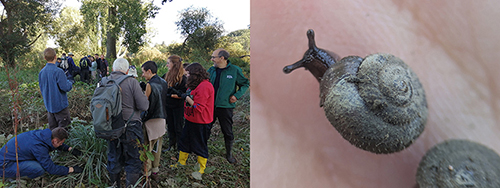
Involving volunteers in a survey for the German Hairy Snail (Pseudotrichia rubiginosa) across London (Elliot Newton, Citizen Zoo, 2025)
Conservationists unite to save London’s rare 'German' hairy snail - BBC News
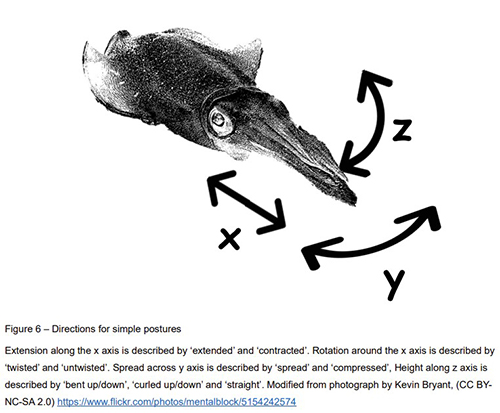
Antipredator defences in the Caribbean Reef Squid (Sepioteuthis sepioidea) (Rahul Jaitly, University of Exeter, 2023)
MRes thesis, University of Exeter
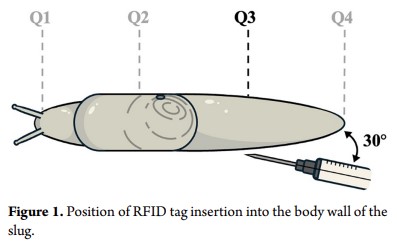
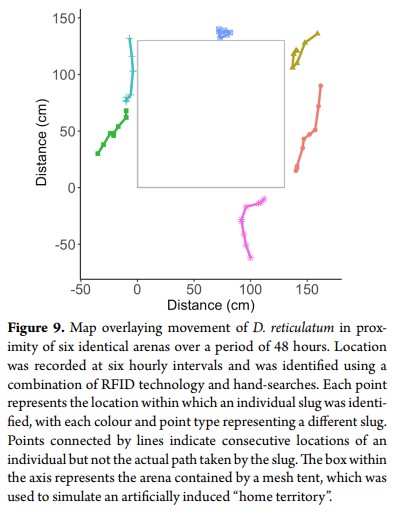
Tracking the movement of slugs in domestic garden habitats using RFID transmitters (Aimee Tonks, Harper Adams University, 2020)
Journal of Conchology 45 (3): 559-570
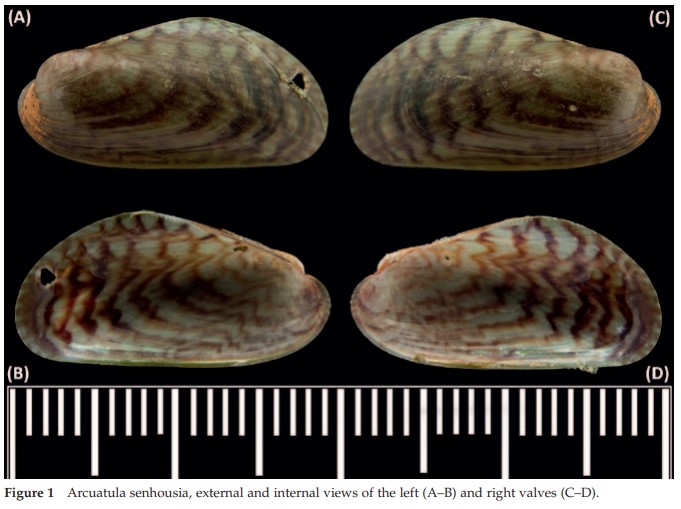
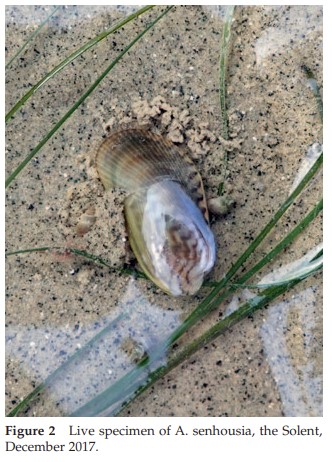
DNA of the Asian Date Mussel (Arcuatula senhousia) in UK waters
(Peter Barfield, University of Portsmouth, 2018)
Journal of Conchology 43 (2): 217-222
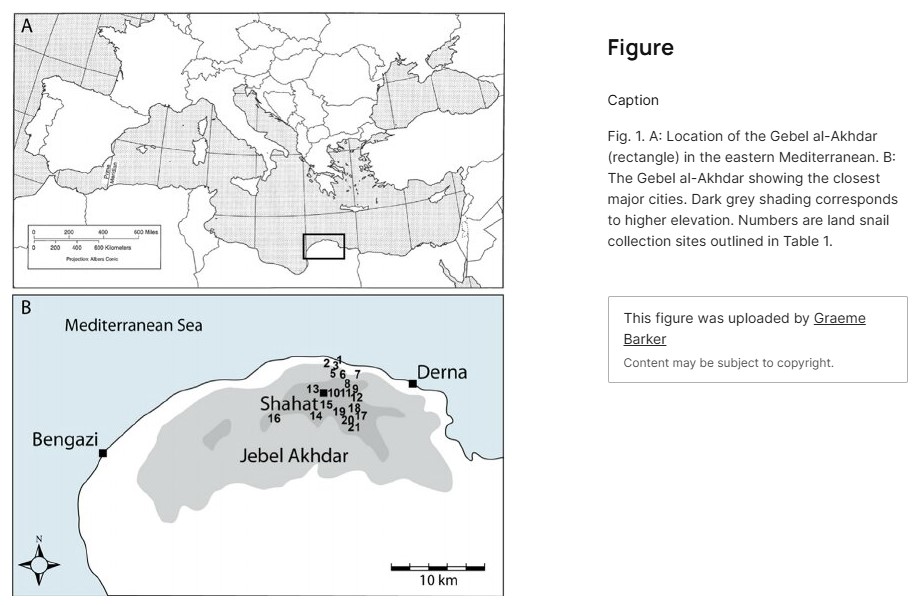
Reconstructing archaeological environments in the eastern Mediteraneean using carbon isotopes from Helix melanostoma (Amy Prendergast, University of Cambridge, 2017)